

Florida KidCare is a state-administered program that provides health coverage for eligible children and, in some cases, pregnant women. It operates through the Florida Department of Children and Families (DCF) and offers low-cost or no-cost insurance to families who meet specific income and residency requirements. For many households in South Florida, this program serves as a critical safety net, ensuring that children have access to preventive care, doctor visits, and necessary treatments without the burden of high out-of-pocket expenses.
Understanding the Program Structure
Florida KidCare is not a single insurance policy but a collection of programs designed to meet different family needs. The primary components include the Children's Health Insurance Program (CHIP) and Medicaid. CHIP is a federal-state partnership that provides coverage to children in families who earn too much to qualify for Medicaid but cannot afford private insurance. Medicaid, on the other hand, serves families with lower incomes. Understanding the distinction is the first step in navigating the application process.
The program is administered by the Florida Department of Children and Families, which oversees eligibility determinations and provider networks. Families apply through the state's online portal or by mail. The application process requires documentation of income, residency, and citizenship or immigration status. Because eligibility is based on household income, families must provide accurate financial records to avoid delays in coverage.
For families in Broward County and surrounding areas, the program offers a structured path to securing health coverage. The state uses a tiered income approach, meaning that as a family's income increases, their cost-sharing responsibilities may also increase. This structure ensures that the program remains sustainable while still providing essential benefits to those who need it most.
Eligibility and Income Requirements
Eligibility for Florida KidCare is determined by household income, family size, and the age of the children. For CHIP, children must be under 19 years old, and the family's income must fall within a specific range relative to the Federal Poverty Level (FPL). For example, a family of four with an annual income below a certain threshold may qualify for CHIP with a small monthly premium. Medicaid eligibility is stricter, typically covering families with incomes at or below 100% of the FPL.
Residency is a key requirement. Applicants must live in Florida and provide proof of address, such as a utility bill or lease agreement. Citizenship or eligible immigration status is also required for most applicants, though some exceptions exist for pregnant women and children. The state verifies this information through federal databases, which can sometimes lead to processing delays. Families should be prepared to provide original documents if requested during the verification process.
It is important to note that eligibility is reviewed annually. If a family's income changes, they must report this change to the state to avoid overpayment or loss of coverage. This ongoing review ensures that resources are directed to those who currently qualify. For families in transition, such as those who have recently moved to Florida or changed jobs, understanding these triggers is essential for maintaining continuous coverage.
Coverage and Benefits
Florida KidCare covers a comprehensive range of health services for children. This includes preventive care, such as well-child visits, immunizations, and screenings. It also covers acute care, including doctor visits, hospital stays, and emergency room services. Prescriptions, dental care, and vision services are typically included, though specific benefits may vary depending on whether the child is enrolled in CHIP or Medicaid.
One of the most significant advantages of the program is the low cost to families. For many CHIP enrollees, the monthly premium is a small fraction of the cost of private insurance. Copayments for office visits and prescriptions are also minimal. For Medicaid enrollees, most services are covered at no cost. This financial relief allows families to focus on their children's health rather than worrying about medical bills.
Provider networks are another important consideration. Florida KidCare contracts with a wide range of healthcare providers across the state, including primary care physicians, specialists, and hospitals. Families can choose from a list of in-network providers to ensure their visits are covered. It is advisable to verify that a preferred doctor or hospital is part of the network before enrolling. This step helps avoid unexpected out-of-network charges and ensures continuity of care.
How to Apply and Enroll
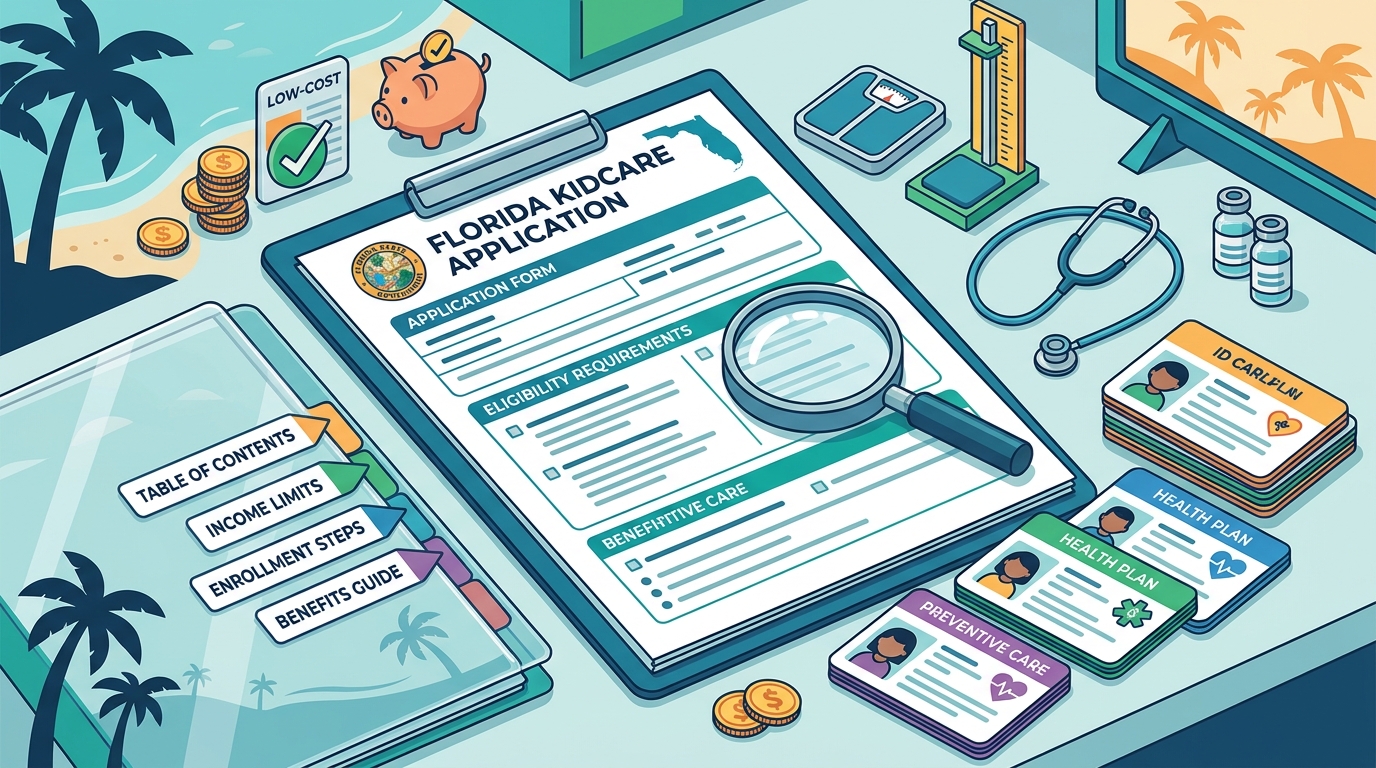
Applying for Florida KidCare is a straightforward process, but it requires attention to detail. Families can apply online through the Florida DCF website or by submitting a paper application. The online portal allows applicants to upload documents and track their application status in real time. This digital approach reduces processing times and provides a convenient way to manage coverage.
When applying, families should gather all necessary documents in advance. This includes proof of income, such as pay stubs or tax returns, proof of residency, and identification for each family member. For children, birth certificates or Social Security cards are typically required. Having these documents ready can significantly speed up the application process. If a family is unsure about their eligibility, they can use the state's online eligibility checker to get a preliminary determination.
After submitting the application, the state will review the information and make an eligibility determination. This process can take several weeks, depending on the completeness of the application and the need for additional verification. Families will receive a notice in the mail informing them of their coverage status. If approved, they will receive a member ID card, which they should use when visiting healthcare providers. It is important to keep this card in a safe place and to report any changes in address or income to the state.
Local Support and Resources
For families in South Florida, local resources can provide additional support during the application and enrollment process. Community health centers and social service agencies often offer assistance with paperwork and can help families understand their options. These organizations can also provide guidance on how to navigate the healthcare system once coverage is active. For families in Plantation and nearby areas, local offices of the Florida DCF can offer in-person assistance and answer specific questions about the program.
Quality Taxes and Multiservices, based in Plantation, Florida, offers health insurance assistance as part of its broader suite of services. While the firm specializes in tax preparation and business services, it also helps individuals and households understand available health coverage options and the enrollment process. This support can be particularly valuable for families who are managing multiple financial and administrative tasks simultaneously. By providing clear guidance on health insurance options, the firm helps families make informed decisions about their coverage.
Families should also be aware of the open enrollment periods and special enrollment periods for health insurance. While Florida KidCare allows for year-round enrollment, other health insurance plans may have specific windows for signing up. Understanding these timelines helps families plan ahead and avoid gaps in coverage. For those who need assistance with both tax and insurance matters, a local provider can offer a comprehensive approach to financial and health planning.
Key Takeaways
- Florida KidCare is a state program that provides health coverage for eligible children and pregnant women through CHIP and Medicaid.
- Eligibility is based on household income, family size, and residency, with annual reviews to ensure continued qualification.
- The program covers a wide range of services, including preventive care, doctor visits, prescriptions, and dental care.
- Costs are low, with small premiums and copayments for CHIP and no cost for most Medicaid services.
- Families can apply online through the Florida DCF website or by mail, and should gather all necessary documents in advance.
- Local resources and providers, such as Quality Taxes and Multiservices in Plantation, can offer assistance with the enrollment process.
- It is important to verify provider networks and report any changes in income or address to maintain continuous coverage.
Frequently Asked Questions
What is the difference between CHIP and Medicaid in Florida KidCare?
CHIP provides coverage to children in families with incomes too high for Medicaid but too low for private insurance. Medicaid serves families with lower incomes. Both are part of the Florida KidCare program, but they have different eligibility thresholds and cost-sharing structures.
How much does Florida KidCare cost for families?
Costs vary based on income. Many CHIP enrollees pay a small monthly premium and low copayments. Medicaid enrollees typically pay no cost for covered services. The exact amount depends on the family's income and the specific program tier.
Can I apply for Florida KidCare online?
Yes, families can apply online through the Florida Department of Children and Families website. The online portal allows for document uploads and real-time tracking of the application status.
What documents do I need to apply?
You will need proof of income, proof of Florida residency, identification for each family member, and birth certificates or Social Security cards for children. Having these documents ready can speed up the application process.
How long does it take to get approved?
Processing times vary, but it can take several weeks. The state may request additional information for verification, which can extend the timeline. Families can track their application status online.
Do I need to reapply every year?
Eligibility is reviewed annually. Families must report any changes in income or household composition to the state. If no changes are reported, the state will typically send a renewal notice.
Can I choose my own doctor under Florida KidCare?
Yes, but you must choose from the program's network of providers. It is important to verify that your preferred doctor or hospital is in-network to ensure coverage.
Next Steps for Families
Understanding Florida KidCare is the first step in securing health coverage for your children. By reviewing eligibility requirements, gathering necessary documents, and applying through the state portal, families can ensure their children have access to essential healthcare services. For those who need additional guidance, local providers can offer support with the enrollment process. Quality Taxes and Multiservices in Plantation, Florida, offers health insurance assistance as part of its comprehensive services, helping families navigate the complexities of health coverage. To get started, families can visit the Florida DCF website or contact a local provider for personalized advice.