

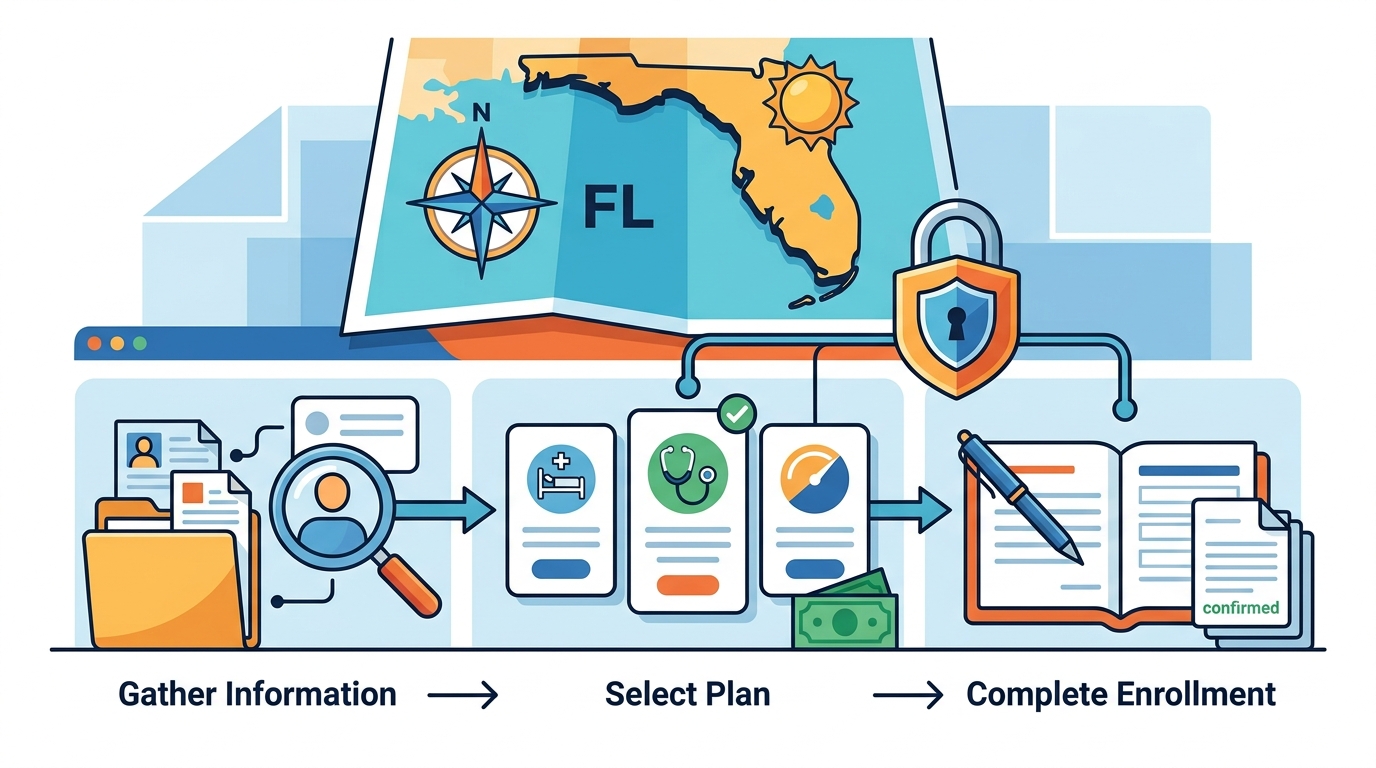
Securing health coverage through the Affordable Care Act (ACA) in Florida requires navigating a specific set of federal and state regulations. According to recent federal data, millions of Americans rely on marketplace plans for their primary healthcare needs, making accurate enrollment critical for financial and medical stability. This guide outlines the precise steps to secure coverage, from determining eligibility to selecting the right plan through Quality Taxes and Multiservices.
Determine Your Eligibility and Income Level
The first step in the enrollment process is verifying that you qualify for a Special Enrollment Period (SEP) or the Annual Enrollment Period (AEP). Most individuals must experience a qualifying life event, such as marriage, birth of a child, or loss of other coverage, to enroll outside the standard window. However, low-income residents may qualify for year-round enrollment through Medicaid or CHIP.
Your household income is the primary determinant of your eligibility for premium tax credits. These credits can significantly lower your monthly premium costs. If your income falls between 100% and 400% of the federal poverty level, you may receive substantial subsidies. It is essential to calculate your Modified Adjusted Gross Income (MAGI) accurately to avoid overpaying for coverage or facing repayment obligations later.
Understand the Florida Health Insurance Marketplace
Florida does not have a state-run healthcare exchange. Instead, residents must use the federal marketplace, Healthcare.gov, to apply for ACA-compliant plans. This platform aggregates options from various insurance carriers operating in the state. Understanding how this marketplace works is vital because it is the only official channel for applying for subsidies and comparing standardized plan benefits.
The marketplace allows you to see if you qualify for savings or tax credits to make coverage more affordable. These subsidies are based on your income and household size, making it possible for more people to access quality health care. By using the federal platform, you ensure that your application is processed correctly and that you receive the maximum financial assistance available to you.
Gather Required Documentation
Before starting your application, you must collect specific documents to verify your identity, income, and citizenship status. Missing documents can delay your enrollment or result in a denial of subsidies. The application process requires precise data entry, so having these records ready streamlines the experience.
Key documents include:
- Social Security Numbers: For all household members applying for coverage.
- Tax Returns: Your most recent federal tax return to verify income.
- Employment Verification: Recent pay stubs or an employer letter if you are currently employed.
- Immigration Documents: Alien registration numbers or visas for non-citizens.
If you are unsure about your documentation needs, professional guidance can prevent costly errors. Our team at Quality Taxes and Multiservices specializes in helping clients navigate these complex requirements with precision and care.
Compare Plans and Providers
Once you have determined your eligibility, the next step is comparing health insurance plans in Florida. The marketplace categorizes plans into four tiers: Bronze, Silver, Gold, and Platinum. Each tier represents a different balance between monthly premiums and out-of-pocket costs.
When comparing health insurance plans, it is important to consider several factors to ensure you select the best option for your needs. Below are some key points to keep in mind:
1. Coverage Options
Look at the types of coverage offered by different plans. Some plans may cover specific services such as prescription drugs, mental health services, or maternity care, while others may not. Make sure the plan you choose covers the services you use most often.
2. Network of Providers
Check the network of doctors and hospitals included in each plan. Some plans may have a more extensive network, while others may be more limited. If you have chosen doctors or medical facilities, ensure they are included in the plan’s network to avoid higher out-of-network costs.
3. Premiums and Deductibles
Balance your monthly premium with your deductible. A lower premium often means a higher deductible, which you pay before insurance kicks in. Conversely, a higher premium usually results in a lower deductible.
Popular carriers in the Florida marketplace include Florida Blue, Aetna, and Cigna. Each provider offers unique benefits and network structures. For a detailed breakdown of how these carriers compare, you can review our Ambetter vs Oscar Health Insurance Marketplace Plan Comparison Guide.
Submit Your Application
With your documents ready and plans compared, you can submit your application through Healthcare.gov. The online portal will guide you through each step, asking for the information you gathered earlier. You will need to specify your household size, income, and any other coverage you currently hold.
The application will automatically calculate your eligibility for premium tax credits and cost-sharing reductions. If you qualify, the system will display the final cost of each plan after subsidies are applied. This is the moment where you can see the true affordability of each option.
If you encounter difficulties or have complex financial situations, such as self-employment income or multiple sources of revenue, professional assistance is highly recommended. Quality Taxes and Multiservices offers expert guidance to ensure your application is accurate and complete.
Finalize Payment and Coverage Start Date
After submitting your application, you will receive a determination letter outlining your eligibility and assigned plan. You must then choose a plan and make your first premium payment to activate coverage. The timing of this payment determines your coverage start date.
If you pay your first premium by the 25th of the month, your coverage typically starts on the first day of the following month. If you pay after the 25th, coverage may be delayed until the month after that. It is crucial to monitor your email and the marketplace portal for updates on your application status.
Once your coverage is active, you will receive your insurance card and member information. Review your plan details carefully to understand your copays, coinsurance, and deductible amounts. If you need to make changes to your plan during the year, you must have a qualifying life event to do so.
Key Takeaways
- Eligibility is Income-Based: Premium tax credits are available for households earning between 100% and 400% of the federal poverty level.
- Federal Marketplace Only: Florida uses Healthcare.gov; there is no state-run exchange for individual plans.
- Documentation is Critical: Have SSNs, tax returns, and proof of income ready to avoid delays.
- Plan Tiers Matter: Bronze, Silver, Gold, and Platinum plans offer different balances of premiums and deductibles.
- Provider Networks Vary: Ensure your preferred doctors are in-network for your chosen plan.
- Timely Payment is Required: Pay your first premium by the 25th to secure next-month coverage.
- Professional Help is Available: Experts can assist with complex applications and plan selection.
Frequently Asked Questions
What is the deadline to enroll in Obamacare in Florida?
The Annual Enrollment Period typically runs from November 1 to January 15. However, if you experience a qualifying life event, you may be eligible for a Special Enrollment Period with a limited window to apply.
Can I get health insurance in Florida if I am self-employed?
Yes, self-employed individuals can enroll in marketplace plans. You may also be eligible to deduct your health insurance premiums from your taxes. Quality Taxes and Multiservices can help you navigate these financial aspects.
How do I know if I qualify for subsidies?
Subsidy eligibility is based on your household income and size. The marketplace application will automatically calculate your eligibility for premium tax credits and cost-sharing reductions.
What happens if I miss the enrollment period?
If you miss the Annual Enrollment Period, you may only enroll if you have a qualifying life event, such as marriage, divorce, or loss of coverage. Otherwise, you may face a tax penalty depending on current regulations.
Are pre-existing conditions covered?
Yes, under the Affordable Care Act, insurance companies cannot deny coverage or charge higher premiums based on pre-existing conditions. All marketplace plans must cover essential health benefits.
Can I switch plans after enrolling?
You can generally only switch plans during the Annual Enrollment Period or if you have a qualifying life event that triggers a Special Enrollment Period.
What documents do I need to apply?
You will need Social Security numbers, proof of income (tax returns or pay stubs), and immigration documents if applicable. Having these ready speeds up the application process.
Start Your Enrollment Journey Today
Navigating the complexities of health insurance enrollment in Florida can be daunting. Whether you need assistance with tax preparation, immigration services, or insurance solutions, Quality Taxes and Multiservices is here to help. Our team provides personalized strategies and reliable solutions to support your financial stability and long-term success. Contact us today to schedule a consultation and secure the coverage you deserve.