

When hiring help for ACA subsidy tax reconciliation, look for a provider who understands the Premium Tax Credit (PTC) rules, can access your IRS transcripts, and offers clear, itemized pricing. This guide covers how to choose, verify, and work with a tax professional to resolve subsidy clawbacks or overpayments efficiently.
How to Choose a Provider
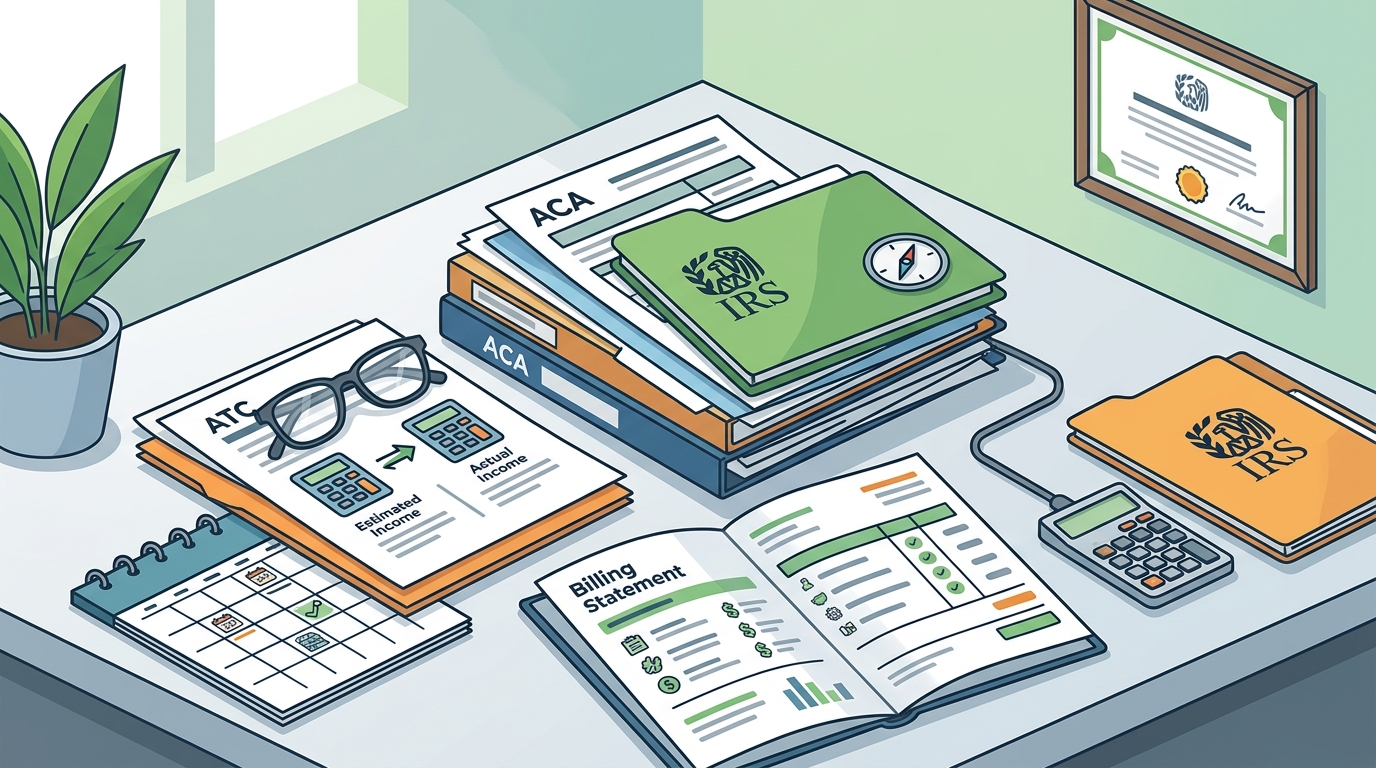
Choosing the right professional for ACA subsidy reconciliation requires looking beyond generic tax preparation. A qualified provider must understand the intersection of health insurance marketplaces and federal tax law. ACA subsidy tax reconciliation is the process of comparing the advance premium tax credits you received during the year against your actual income and household size at tax time. If your income changed, you may owe a repayment or be eligible for a refund.
Specialized Knowledge vs. Generalists
General tax preparers often lack the specific training required for Form 8962, which calculates the Premium Tax Credit. You need a professional who can accurately determine your Modified Adjusted Gross Income (MAGI) and apply the correct income thresholds. Look for providers who explicitly list marketplace insurance reconciliation in their service offerings.
Communication and Transparency
A good provider will explain the potential outcomes before you sign a contract. They should be transparent about the possibility of a clawback (repayment) and how to minimize it. Avoid providers who guarantee a specific refund amount without seeing your full financial documentation.
What to Ask Before Committing
Before hiring anyone, you must ask specific questions to gauge their expertise. These questions help you filter out unqualified individuals and ensure you are working with a professional who can handle the nuances of your situation.
Key Questions for Your Provider
- Do you have experience with Form 8962 and the Premium Tax Credit?
- Can you access my IRS transcripts to verify my income?
- How do you handle situations where my income changed mid-year?
- What is your fee structure for reconciliation work?
- Do you offer bilingual support if needed?
At Quality Taxes and Multiservices, our team is prepared to answer these questions with clarity. We focus on personalized planning and expert guidance to ensure you understand every step of the process.
How to Verify Credentials
Verifying the credentials of your tax professional is a critical step in protecting your financial interests. You should not rely solely on a business name or a website. Taxpayer Advocate Service is a resource that can help you understand your rights, but for hiring, you need to verify the individual's authority.
Checking PTIN and EFIN
Every tax return preparer must have a Preparer Tax Identification Number (PTIN). You can verify this number through the IRS PTIN verification tool. Additionally, if the preparer is an Enrolled Agent (EA), you can verify their credentials through the IRS Office of Professional Responsibility (OPR) directory. This ensures the person signing your return is authorized to do so.
Reviewing Disciplinary History
Check for any disciplinary actions or sanctions against the preparer or their firm. A clean record is a strong indicator of professionalism and adherence to ethical standards. If a provider cannot provide their PTIN or EA number, do not hire them.
How the Process Works
Understanding the workflow helps you manage expectations and prepare the necessary documents. The process typically involves several distinct stages, from initial consultation to final filing.
Stage 1: Document Collection
You will need to provide your IRS Form 1095-A, which summarizes your health insurance coverage and the advance credits you received. You will also need your W-2s, 1099s, and any other income documentation. The more complete your records, the faster the process.
Stage 2: Analysis and Calculation
Your provider will calculate your MAGI and compare it to the federal poverty level for your household size. They will then determine your expected contribution percentage and calculate the correct PTC amount. This step identifies any discrepancies between what you received and what you are entitled to.
Stage 3: Filing and Resolution
Once the calculations are verified, your provider will prepare and file your tax return. If you owe a repayment, they will advise you on payment options. If you are due a refund, they will ensure you receive it as quickly as possible.
What It Costs
Costs for ACA subsidy reconciliation vary based on the complexity of your tax situation. Simple returns with a single W-2 and no income changes are less expensive than returns with multiple income sources or mid-year life events.
Factors Influencing Price
| Factor | Impact on Cost |
|---|---|
| Number of Income Sources | More sources increase complexity and time. |
| Mid-Year Income Changes | Requires proration calculations, increasing cost. |
| State Tax Complexity | Some states have their own health insurance tax rules. |
| Provider Experience | Specialists may charge more but offer higher accuracy. |
Common Mistakes to Avoid
Many taxpayers make errors that lead to unnecessary penalties or lost refunds. Being aware of these common mistakes can help you avoid them.
Ignoring Income Changes
If your income changes significantly during the year, you must report it to the marketplace. Failing to do so can result in a large repayment at tax time. Your provider can help you calculate the impact of these changes.
Missing Deadlines
There are specific deadlines for reporting income changes to the marketplace. Missing these deadlines can limit your ability to reduce your repayment. Act quickly if your financial situation changes.
Choosing the Cheapest Option
While cost is important, choosing the cheapest provider can lead to errors. A small mistake in Form 8962 can result in a significant financial loss. Invest in a qualified professional to protect your finances.
Versus Alternatives
You have several options for handling ACA subsidy reconciliation, each with its own pros and cons. Understanding these alternatives helps you make an informed decision.
DIY vs. Professional Help
Doing it yourself is the cheapest option but carries the highest risk of error. Tax software can help, but it may not account for all the nuances of your situation. Professional help costs more but provides peace of mind and accuracy.
Free Clinics vs. Paid Services
Free tax clinics, such as those run by the IRS VITA program, are a good option for simple returns. However, they may not have the capacity or expertise to handle complex ACA reconciliation cases. Paid services offer more personalized attention and specialized knowledge.
For Specific Situations
Your specific circumstances can significantly impact how you approach ACA subsidy reconciliation. Here are a few common scenarios and how to handle them.
Mid-Year Job Change
If you changed jobs mid-year, your income may have fluctuated. You will need to report your total annual income to the marketplace. Your provider will help you prorate your credits based on your monthly income.
Change in Household Size
If you added or removed a household member, your eligibility for subsidies may have changed. You must report these changes to the marketplace. Your provider will ensure your tax return reflects these changes accurately.
Rules and Protections
Understanding the rules and protections that apply to you can help you navigate the process with confidence. The Affordable Care Act (ACA) provides certain safeguards for taxpayers.
Repayment Caps
The amount you may have to repay is capped based on your income. If your MAGI is between 100% and 400% of the federal poverty level, your repayment is limited to a specific amount. This cap protects you from excessive clawbacks.
Taxpayer Rights
You have the right to be treated with courtesy and respect by the IRS. You also have the right to know why the IRS is asking for information and what the consequences are if you do not provide it. If you believe you are being treated unfairly, you can contact the Taxpayer Advocate Service.
Local Specifics for Florida
Florida has specific considerations for ACA subsidy reconciliation. The state does not have a state income tax, which simplifies the process for many residents. However, you still need to file a federal tax return to reconcile your subsidies.
Local Resources
In Plantation, FL, and surrounding areas, you can find qualified tax professionals who understand the local nuances. Quality Taxes offers bilingual support and personalized planning for residents in Florida. Our team is familiar with the local marketplace options and can help you navigate the process.
Timing Your Action
Timing is critical when it comes to ACA subsidy reconciliation. Acting early can help you avoid penalties and maximize your refund.
When to Act
Start the process as soon as you receive your Form 1095-A. This form is typically sent by January 31. The sooner you start, the more time you have to gather documents and resolve any issues. If you are expecting a refund, filing early can help you receive it faster.
Deadlines to Remember
The federal tax filing deadline is typically April 15. If you need more time, you can file for an extension. However, an extension to file is not an extension to pay. If you owe taxes, you must pay by the deadline to avoid interest and penalties.
Results Over Time
Working with a qualified professional can have long-term benefits for your financial health. By ensuring your ACA subsidies are reconciled correctly, you can avoid future issues and build a solid financial foundation.
Long-Term Financial Planning
Reconciling your subsidies is just one part of your overall financial picture. A good provider will help you understand how your health insurance costs fit into your broader financial goals. They can help you plan for future income changes and adjust your insurance coverage accordingly.
Key Takeaways
- Look for a provider with specific experience in ACA subsidy reconciliation and Form 8962.
- Verify the preparer's PTIN and EA credentials through the IRS directory.
- Request a written fee agreement before starting work.
- Report income and household changes to the marketplace promptly.
- Understand the repayment caps that apply to your income level.
- Act early to avoid penalties and maximize your refund.
- Consider local resources and bilingual support if needed.
- Use the process as an opportunity for long-term financial planning.
Frequently Asked Questions
What is ACA subsidy tax reconciliation?
ACA subsidy tax reconciliation is the process of comparing the advance premium tax credits you received during the year against your actual income and household size at tax time to determine if you owe a repayment or are eligible for a refund.
How much can I have to repay for ACA subsidies?
The amount you may have to repay is capped based on your income. If your MAGI is between 100% and 400% of the federal poverty level, your repayment is limited to a specific amount, which protects you from excessive clawbacks.
Do I need a tax professional for ACA reconciliation?
While you can do it yourself, a tax professional can help ensure accuracy and avoid costly errors. They can also help you understand the rules and maximize your refund.
What documents do I need for ACA reconciliation?
You will need your IRS Form 1095-A, W-2s, 1099s, and any other income documentation. The more complete your records, the faster the process.
How long does ACA reconciliation take?
The process typically takes a few weeks, depending on the complexity of your tax situation. Acting early can help you avoid delays and ensure you meet the filing deadline.
Can I get a refund for ACA subsidies?
Yes, if your actual income was lower than what you reported to the marketplace, you may be eligible for a refund. Your provider will calculate the correct amount and ensure you receive it.
What if I changed jobs mid-year?
If you changed jobs mid-year, you must report your total annual income to the marketplace. Your provider will help you prorate your credits based on your monthly income.
Where can I find help in Florida?
In Plantation, FL, and surrounding areas, you can find qualified tax professionals who understand the local nuances. Quality Taxes offers bilingual support and personalized planning for residents in Florida.
Conclusion
Hiring the right professional for ACA subsidy tax reconciliation is a critical step in protecting your financial interests. By following the guidelines in this guide, you can choose a qualified provider, verify their credentials, and navigate the process with confidence. Contact Quality Taxes and Multiservices today to schedule a consultation and take the first step toward resolving your ACA subsidy reconciliation.